Architecture for Human Adaptability
About YOULAB
We call ourselves a lab because we experiment and examine as much as we advise and support. The work is iterative and evidence-led — we learn with the people we work alongside rather than delivering fixed answers from a distance.
That posture keeps us honest. It keeps the work relevant to the actual conditions people face. And it means the capacity we build tends to stay in the room long after we have left it.
Purpose
Why we exist
As one species among millions in a vast, interconnected biosphere, our long-term survival and well-being depend directly on our awareness, on the health of our planet, and our interdependence to the natural world. Human adaptive capacity is multi-faceted — allowing us to navigate environmental change, build resilience, and transform challenges into opportunities for well-being. We exist to explore what and how humans cultivate adaptive capacity, to unlock innate potential and wisdom, and harmonize with nature in stewardship of a shared experience.
Approach
How we work
Our work combines research, dialogue, advisory, and immersive learning. No off-the-shelf answers — each engagement begins with the question in front of you and how it feels.
That's why The Lab was born — to provide spaces for exploring those questions and feelings in on-site and customized settings to include the natural world.
What started as a listening project in 2009, along the US/Mexico Border, became an ongoing global listening project — a world-wide compilation of stories and narratives about human adaptivity and the human experience. Book out Spring 2027.
Provenance
Where we come from
The YOULAB, formerly The Contact Project, was founded in 2007 as a global social enterprise providing platforms for developing human adaptive capacity. Through innovative research, bespoke engagements, and immersive experiences, we collaborate with people seeking social change, sustainable relationships, and meaningful impact across sectors and around the world.
What began as the Engaged Identity theory and approach in 2008, envisioned by our founder, Dr. Jennifer Kai Lynne, was developed over fifteen years of field work and now sits as the Human Adaptive Capacity Architecture™ and the HACA Model™. Bridging personal growth with systemic transformation, through awareness and adaptability, our legacy continues to empower leaders and communities to adapt, thrive, and shape a future where wellbeing is for all.
Our values
What can you expect?
- Presence
- Privacy
- High support / high challenge
- Patience & respect
- Integrity & ethical decision making
- Collaboration
- Personalized experiences — all our work is emergent and specific to you
We take your growth and privacy seriously, and want to create relationships based on trust and respect. As a result, we are committed to ethical marketing. We won't share your experiences in marketing materials (photo, video, or written) without your consent, and only document your work with materials you've reviewed.
Meet the founder
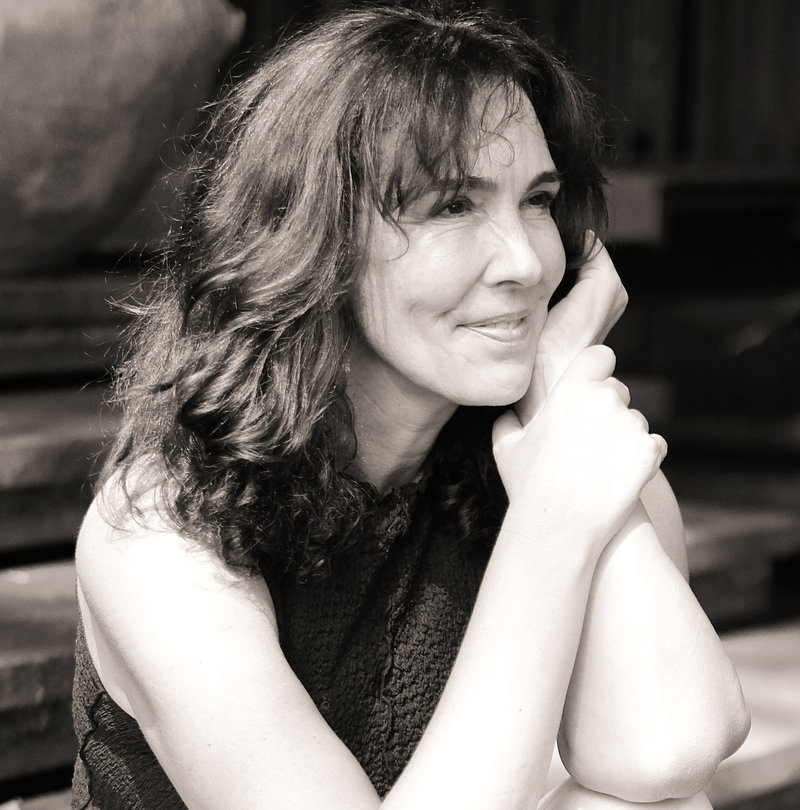
Dr. Jennifer Kai Lynne
The founder of YOULAB (formerly The Contact Project), Dr. Lynne is a human development specialist in neuropsychophysiology — the linkages between nervous system, cognitive behavior, and bodily physiological processes. Her research focus sits at the nexus of enactive and embodied consciousness, theory of mind, identity, and complex systems forming a transdisciplinary approach on how humans develop awareness and adaptive capacity.
The foundation of her work and research started in 2007, with the design of the Engaged Identity™ theory and approach, as a transdisciplinary practice for human adaptive capacity and transformative processes. Over fifteen+ years of research and global programming that approach has evolved as the Human Adaptive Capacity Architecture™ and the HACA Model™.
The practitioners collective
People we're honored to work alongside
The YOULAB collaborates with some of the best contemplative and somatic practitioners around the world. Our lab offers options to work with these amazing professionals for integrated 360 support in developing awareness and adaptability — and we highly recommend their work to everyone interested in human development, wellbeing, and exploring being human.

Culturally immersive retreat experiences with a social conscience — a gold standard of travel that fosters liberation and sovereignty for all involved. Join us in Cambodia!

A humanitarian acupuncture & integrative medicine relief and training organization. Consultations focused on physical and emotional wellbeing, with specialties in trauma, PTSD, and addiction recovery.
Based in Australia, Malis Movement fosters a nourishing and compassionate space offering classes in contemplative practices, yoga therapy, movement, and meditation.

Integrating the wisdom of Yoga, Qi Gong, and Bodywork — YogaQiFlow and Soul in Touch bodywork courses and the Soul in Touch Academy, online and in person.

Somatic education for women — Yoga, Chi Nei Tsang, private classes, and retreats at our Canary Islands center.
Based in Argentina, EMPOWERHOUSE offers in-person and virtual coaching, movement-based programs, and custom retreats for individuals and teams navigating change and growth.
A new way of being
Trusted by global institutions and mission-driven leaders.
Most importantly, by people sharing their personal experiences.